
What to include on a therapist's website About page
Jun 01, 2026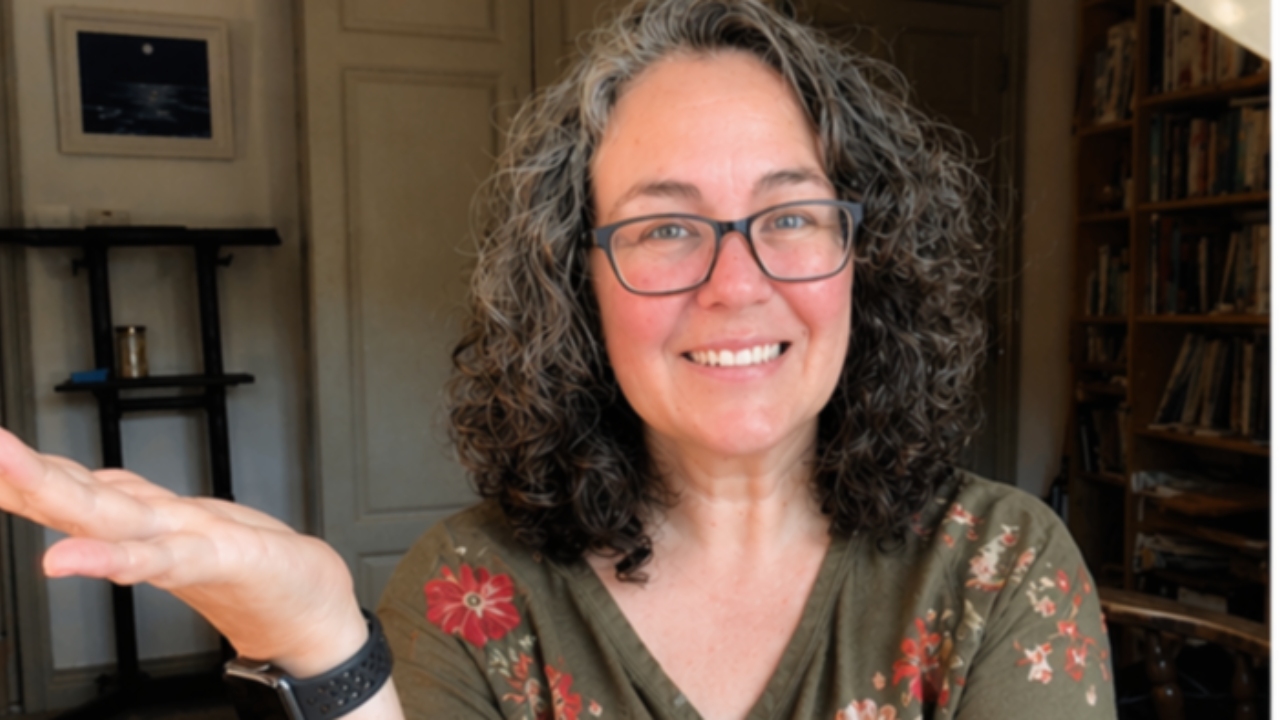
Your About page is almost certainly the most visited page on your website after your homepage. It is where potential clients go to decide whether they trust you enough to make contact, and for therapists and coaches, that decision is deeply personal. A good About page is not a CV. It is a conversation. Here is what it actually needs to include, and why each element matters.
Lead with the client, not with yourself
This is the mistake almost every practitioner makes on their first About page: they open with their own story, their qualifications, their journey. And while all of that matters, it is not what a potential client needs to read first.
The person landing on your About page is asking one question above everything else: is this person right for me? They are not yet asking about your credentials. They are asking whether you understand their situation, whether you see them.
So open with them. Name what they are experiencing. Describe where they are right now. Show them, in your first paragraph, that you understand what it feels like to be in their position. That recognition is what earns the trust that makes everything else on the page land.
Then bring yourself in, but make it relevant
Once you have established that you see your client, bring yourself into the picture. But frame your experience and background in terms of what it means for them, not just as a list of things you have done.
This does not mean hiding your qualifications - quite the opposite. It means presenting them with purpose. A sentence like 'I have been a practising transpersonal therapist since 2009, which means I have sat with people through some of life's most difficult moments' tells the reader far more than a list of letters after your name. It names the experience and immediately connects it to what they care about.
- Your professional background and how long you have been practising
- Your training, qualifications, and any specialist areas - written in plain language, not jargon
- Why you do this work - not the poetic version, but the real version. What drew you to it? What keeps you here?
- Who you work best with - be specific. The more clearly you describe your ideal client, the more the right people will feel seen.
A note on qualifications and accreditations
Include them - but do not lead with them, and do not let them crowd out everything else. For many potential clients, a long list of acronyms is more intimidating than reassuring. Name your key qualifications clearly, explain what they mean if they are not widely known, and then move on.
What matters more to most clients than the specific accrediting body is the sense that you are experienced, that you have invested seriously in your training, and that you keep developing your practice. You can convey all of that in two or three sentences.
Add something human
Your About page does not need to be a confessional, and it is not the place to share anything that belongs in the therapy room. But a small amount of personal texture - something that gives a sense of who you are as a person, not just as a practitioner - goes a long way.
It might be where you are based, what you do when you are not working, or something you are interested in outside your professional life. For practitioners who work online and attract clients internationally, this kind of human detail can be particularly important - it reminds the person reading that there is a real human on the other side of the screen.
Keep it brief and keep it relevant to the overall feeling you want to convey. One short paragraph is enough.
A photo, and make it a good one
Your About page needs a photograph of you. Not a logo, not a stock image of someone who looks vaguely like you might, not a photograph from three years ago that no longer looks like you. A current, warm, professional photograph of your actual face.
For therapists and coaches, the photograph on your About page is doing significant trust-building work. Clients are about to share things with you that they may never have said aloud to anyone. A good photograph - one that shows you clearly, warmly, and authentically - makes that prospect feel more possible.
If your current photos are not doing that job, it is worth investing in a short personal brand shoot. The return on that investment across your website, your social media, and your marketing materials is considerable.
End with a clear next step
Your About page should not just trail off. After a potential client has read about you and decided they want to know more, tell them exactly what to do next. One clear call to action (book a call, send an enquiry, visit the work with me page) is far more effective than three vague options or no direction at all.
Make it easy. Make it specific. And make sure the link actually works.
One final thought
Your About page will never feel completely finished, and that is fine. It should evolve as your practice evolves, as your ideal client shifts, and as you become more confident in articulating what you do and why it matters. Revisit it once a year at minimum and ask: does this still sound like me? Does it speak to the people I most want to work with?
If you are building your website from scratch or redesigning what you already have, and you want support with the strategy and the copy, that is work I do with practitioners through 1:1 mentoring. And if you are working on Kajabi specifically - or wondering whether Kajabi is the right home for your site, you can find out more about Kajabi support here.
Want help with your website copy?
Book a Connection Call and let's talk about what your website needs to say, and how to say it in a way that actually brings the right people to your door.
Book your Connection Call | Find out about mentoring
Author